
Parsha Ki Tavo portrays Moses instructing the Israelites regarding the rituals that they are to perform once they enter the Promised Land. The Parsha discusses the offering of first fruits, blessings, and curses associated with the observance or disregard of G_d’s commandments. It emphasizes gratitude towards G_d for the abundance given, warns against arrogance and disobedience, and highlights the importance of observing G_d’s laws and fulfilling one’s obligations.
Parsha Ki Tavo imparts teachings and lessons that offer valuable guidance in our lives today. One core lesson is the importance of gratitude. The Parsha instructs the Israelites to express gratitude to G_d through the offering of first fruits as a way to acknowledge the blessings they have received. In our own lives, cultivating a spirit of gratitude allows us to recognize and appreciate the abundance, love, and opportunities that surround us. Gratitude leads to contentment, positivity, and a deeper sense of fulfillment in our daily lives.
Ki Tavo emphasizes the importance of fulfilling our obligations and staying committed to our responsibilities. The Parsha outlines the blessings and curses tied to obedience or disobedience to G_d’s commandments. Today, this principle can serve as a reminder to honor our commitments, both in our personal relationships and professional endeavors. By staying true to our responsibilities, we build trust and integrity in our interactions, fostering stronger connections with others and fostering a sense of personal accountability.
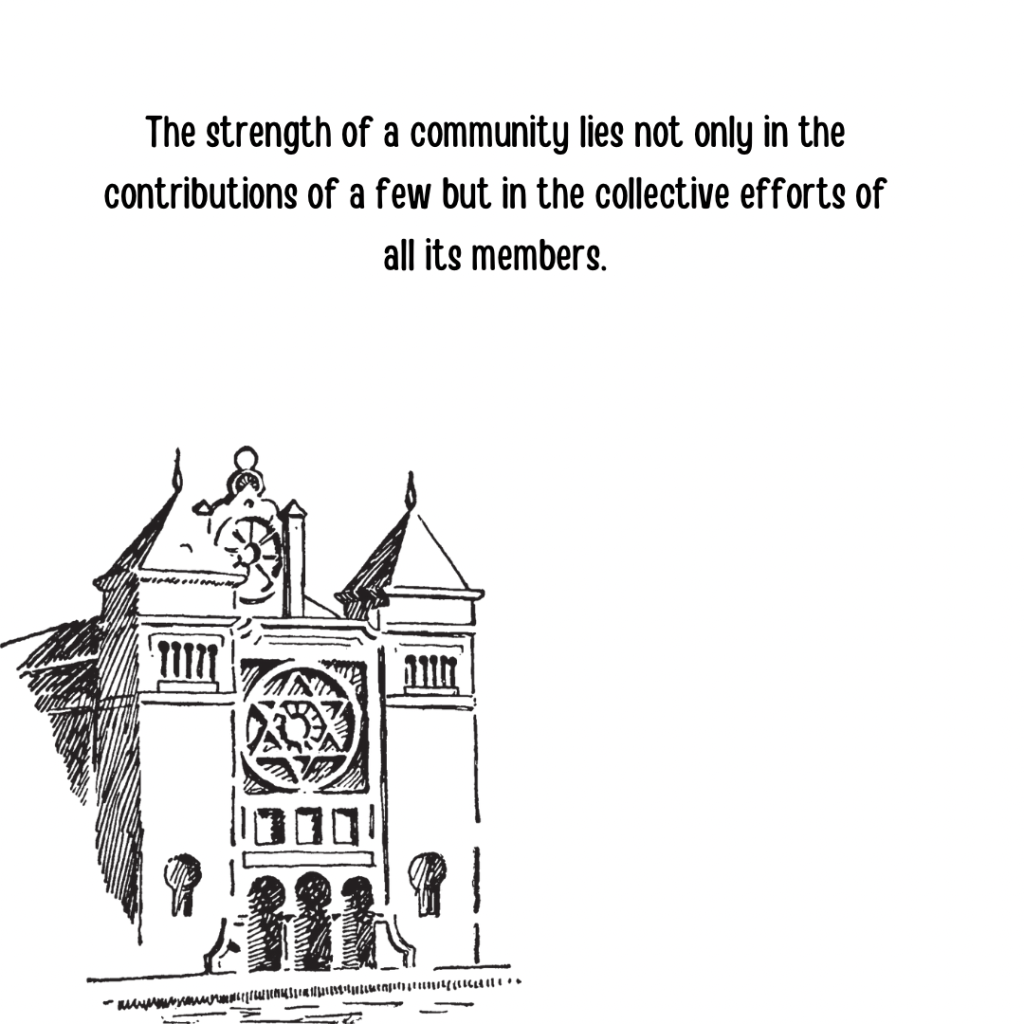
Parsha Ki Tavo also highlights the value of community and collective responsibility. The blessings and curses described in the Parsha are often linked to the actions of the entire community. This brights into light the belief that our actions can have an impact beyond ourselves. In our communities, it is crucial to recognize our shared responsibility and support each other. By fostering empathy, kindness, and collaborative efforts, we can create a more supportive and inclusive society.
Practicing gratitude enables us to find joy in the present moment, and that enhances our overall well-being. Remaining committed to our obligations fosters trust and provides a foundation for successful relationships and endeavors. Embracing collective responsibility helps foster a sense of unity and support within our communities.
By incorporating the values and lessons from Ki Tavo into our lives, we can cultivate a deeper sense of gratitude, honor our commitments, uphold our responsibilities, and foster a strong sense of community.
These moral and empathetic lessons add value to our lives by promoting personal growth, fostering strong connections, and contributing to the betterment of society as a whole.


 Shabbos Table
Leave a comment